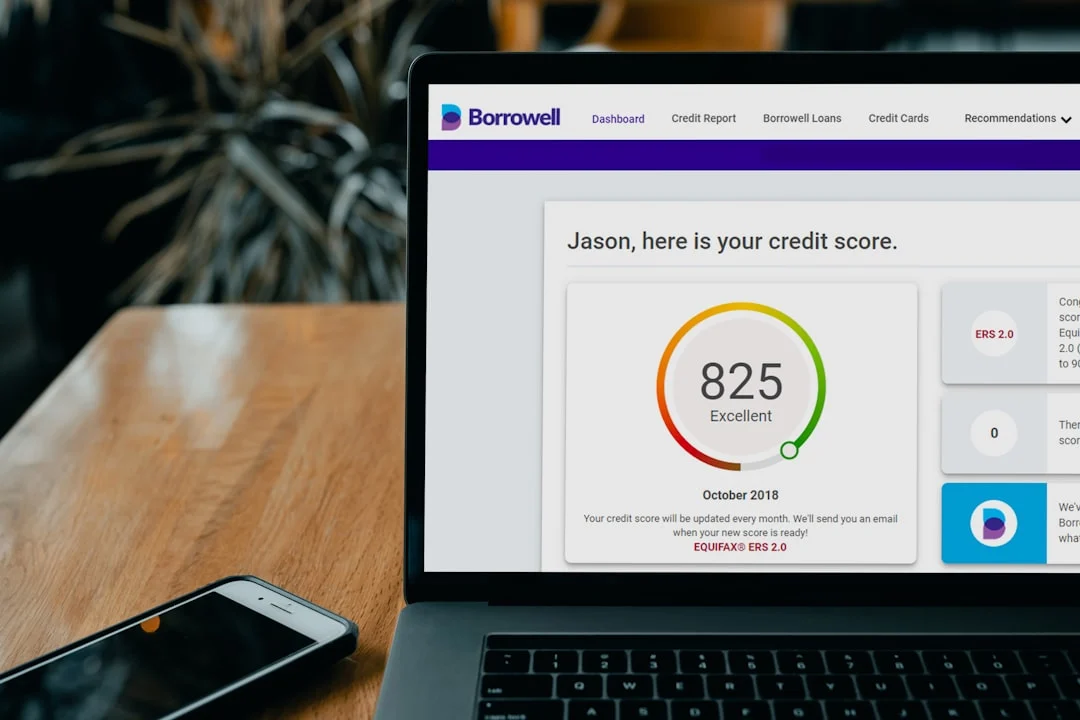
If your credit score has dropped because of missed payments, high balances, collections, or other negative information, one of the first questions you may have is how long does it take to rebuild your credit. There is no single timeline that applies to everyone. Credit recovery depends on what caused the damage, how serious the negative information is, what remains on your credit reports, and what you do going forward.
Some people may see noticeable improvement within several months after changing their financial habits, while more serious credit problems can take years to fully recover from. The good news is that rebuilding credit is usually a gradual process rather than something that requires one dramatic financial move.
Your credit reports contain information that lenders use to evaluate your credit history. Depending on the type of negative information involved, certain items can remain on a credit report for several years. However, the presence of older negative information does not necessarily mean your score will remain unchanged for that entire period. More recent activity can demonstrate that your financial behavior has improved.

What Determines Your Credit Recovery Timeline?
The reason your credit score declined is one of the biggest factors affecting how long recovery may take. A high credit card balance may improve relatively quickly after balances are reduced, while a history of repeated late payments can take considerably longer to overcome.
Credit utilization is another important factor. If you have available credit but are using a large percentage of it, paying down revolving balances may help improve your credit profile. For example, someone who has $10,000 in total credit limits and $8,000 in balances is using 80% of available revolving credit. Reducing those balances can change the utilization ratio considerably.
| Credit Issue | Potential Recovery Pattern |
|---|---|
| High credit card utilization | May improve after balances are reduced |
| Recent missed payment | Improvement can occur over time as positive history accumulates |
| Collection account | Depends on reporting, resolution, and overall credit history |
| Multiple serious delinquencies | Often requires a longer period of consistent positive behavior |
| Limited credit history | May strengthen as responsible accounts age |
These are general patterns rather than guaranteed timelines. Credit scoring models consider multiple factors, and different lenders may evaluate credit information differently.
How Positive Payment History Helps
If you want to know how long does it take to rebuild your credit, payment history is one of the most important areas to understand. Consistently making payments on time gives your credit reports a growing record of responsible account management.
A single good payment does not erase previous negative information, but months of successful payments can establish a stronger recent history. Over time, older negative events may have less influence on some scoring calculations as newer positive information accumulates.
That is why rebuilding credit often requires patience. Closing accounts or applying for several new credit products at once will not necessarily repair previous problems. In many cases, the most valuable strategy is simply maintaining reliable payment habits while gradually reducing expensive debt.
How Debt Balances Affect Credit Recovery
High debt can make rebuilding credit more difficult in two ways. First, high balances may contribute to elevated credit utilization. Second, large monthly debt obligations can make it harder to maintain consistent payments across all accounts.
Reducing revolving balances can therefore be an important part of a credit recovery strategy. You do not necessarily have to eliminate every debt immediately. Creating a realistic repayment plan and consistently lowering balances can produce better results than making unsustainable payments that leave you short of cash.
It is also important to avoid taking on unnecessary new debt while you are trying to recover. Every new account can affect your credit profile in different ways, and multiple applications within a short period may make your financial situation more difficult to manage.
How Long Does It Really Take to Rebuild Your Credit?
There is no universal answer to how long does it take to rebuild your credit because every credit profile is different. Someone whose primary problem was high credit utilization may see improvement relatively quickly after paying down balances. Someone recovering from several serious late payments may need substantially more time.
Think of credit rebuilding as a financial track record rather than a quick repair project. Your goal is to establish a pattern that shows lenders you can manage credit responsibly. Paying bills on time, keeping balances under control, avoiding unnecessary debt, and reviewing your credit reports for inaccuracies can all support that process.
If you find inaccurate information on your credit reports, you have the right to dispute information you believe is incorrect with the appropriate credit reporting company. Correcting an error can sometimes produce a faster improvement than simply waiting for time to pass.
Ultimately, rebuilding credit is about consistency. The exact timeline matters less than creating financial habits that continue working in your favor month after month. Even if your credit history contains serious setbacks, responsible financial behavior today can help create a stronger credit profile over time.
Guiscard M. is the founder and editor of MoneyLendings.com – a financial education platform focused on helping consumers better understand credit, debt, loans, and personal finance decisions. With over 25 years of experience in finance and insurance, he brings practical knowledge of lending, credit, debt management, and personal finance to create useful tools, calculators, and educational resources that simplify complex financial topics.
Combining this experience with expertise in web development and digital content creation, Guiscard focuses on making financial information easier to understand and more accessible.