Good money management is usually less about complicated formulas and more about building a system you can actually live with. A useful budget should help you pay bills on time, reduce stress, prepare for surprises, and move steadily toward goals that matter to you. Whether income feels tight or comfortable, the same basic principles apply: know what is coming in, understand where it is going, decide what matters most, and make saving a regular part of your routine.
Many people assume budgeting means constant restriction. In practice, a good budget does the opposite. It gives every dollar a purpose, helps you spot waste without guilt, and makes everyday decisions easier. Instead of wondering whether you can afford something, you already know how that purchase fits into the rest of your financial life.
Start With a Clear Picture of Income and Expenses
Before choosing a budgeting method, begin with accurate numbers. That means using your take-home pay, not your gross salary. Take-home pay is what reaches your bank account after taxes, insurance, retirement contributions, and other deductions.
If your income changes from month to month, review the last six to twelve months and identify your lower, more typical monthly amount. Building a budget around a conservative estimate reduces the risk of coming up short.
Next, separate expenses into broad categories so you can see the full picture.
| Category | What to Include | Why It Matters |
|---|---|---|
| Income | Wages, side income, child support, benefits, freelance work | Shows what you can realistically allocate |
| Fixed costs | Rent or mortgage, insurance, loan payments, subscriptions | These are harder to change quickly |
| Variable costs | Groceries, gas, dining out, utilities, entertainment | These are often the best place to make adjustments |
| Periodic costs | Car repairs, annual fees, school expenses, gifts, holidays | These can disrupt a budget if not planned for |
| Savings and goals | Emergency fund, travel, home repair, retirement, debt payoff | These turn future needs into current priorities |
A simple review of bank and credit card statements from the last two or three months can reveal patterns quickly. If you tend to underestimate spending, statements are usually more reliable than memory.
Create a Budget That Matches Real Life
A realistic budget does not require perfection. It requires honesty. If you usually spend $600 a month on groceries for a household of four, setting a $350 grocery target is not discipline. It is wishful thinking. Budgets work best when they reflect actual needs first and improvement second.
A practical way to build a budget is to follow these steps:
- List essential bills first. Start with housing, utilities, transportation, insurance, minimum debt payments, and groceries.
- Set aside money for savings. Treat emergency savings like a regular bill, even if the amount starts small.
- Plan for irregular expenses. Divide annual or seasonal costs into monthly amounts.
- Add flexible spending categories. Include eating out, personal care, entertainment, and household extras.
- Leave a buffer. Even a small margin helps absorb price changes and minor surprises.
The right structure depends on your preferences. Some people like detailed category limits. Others prefer a broader framework, such as allocating part of income to needs, savings, and flexible spending. The key is consistency, not complexity.
The example below shows how a monthly budget might look for someone with $4,000 in take-home pay.
| Monthly Budget Example | Amount |
|---|---|
| Take-home income | $4,000 |
| Rent | $1,250 |
| Utilities and phone | $260 |
| Groceries | $500 |
| Transportation | $300 |
| Insurance | $220 |
| Minimum debt payments | $250 |
| Emergency savings | $250 |
| Retirement or long-term savings | $200 |
| Dining out and entertainment | $220 |
| Personal and household items | $180 |
| Sinking funds for irregular costs | $200 |
| Monthly buffer | $170 |
| Total | $4,000 |
This budget is not a model everyone should copy. It is a reminder that good budgets assign money to both current obligations and future needs.
Understand the Difference Between Fixed and Variable Costs
One of the fastest ways to improve a budget is to understand which expenses are difficult to change and which can be adjusted more easily.
| Expense Type | Examples | Typical Strategy |
|---|---|---|
| Fixed costs | Rent, mortgage, car payment, insurance premium, internet plan | Review occasionally, shop around, renegotiate when possible |
| Variable costs | Food, gas, electricity, clothing, entertainment | Track closely and adjust month to month |
| Periodic costs | Holiday spending, school supplies, vehicle maintenance, annual memberships | Save monthly in advance through sinking funds |
People often focus only on cutting small daily purchases, but large fixed costs deserve attention too. Saving $40 a month on insurance or $60 a month by canceling unused subscriptions can matter just as much as bringing lunch from home more often. At the same time, variable costs give you more immediate control when cash flow feels tight.
For example, if grocery spending keeps exceeding your plan, the answer may not be extreme couponing. It may be simpler and more effective to build a four-week meal rotation, switch to store brands for staple items, and keep a short list for midweek restocking so impulse purchases stay low.
Use Simple Tools to Track Spending
A budget only helps if you compare it with what actually happened. Tracking does not need to be time-consuming. The best system is the one you will continue using.
Common options include:
- Spreadsheet budgeting: good for people who want full control and visibility
- Banking app review: useful for quick weekly check-ins
- Cash envelopes or separate spending accounts: helpful if certain categories regularly go over budget
- Notebook tracking: simple and effective for households that prefer a manual system
A short weekly review is often enough. Look at how much has been spent, which categories are close to the limit, and whether any bills or transfers need to be adjusted before the month ends. Ten minutes each week can prevent much larger problems later.
A practical rule is to create a pause point for nonessential spending. For example:
- Wait 24 hours before buying anything unplanned over $50
- Wait 72 hours for purchases over $150
- Ask whether the item replaces a planned purchase or adds to total spending
- Compare the cost with your larger goal, such as building a repair fund or paying off debt
These small habits reduce impulse spending without making everyday life feel restricted.
Build Emergency Savings in Stages
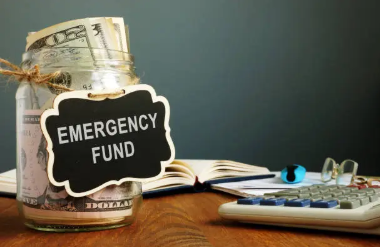
Emergency savings are not just for major disasters. They protect you from ordinary financial shocks such as a tire replacement, an urgent prescription, reduced work hours, or an unexpected travel expense. Without a cash cushion, these events often end up on credit cards, turning short-term stress into long-term debt.
Trying to save several months of expenses at once can feel overwhelming, so it often works better to build an emergency fund in stages.
| Stage | Target | Purpose |
|---|---|---|
| Starter fund | $500 to $1,000 | Covers smaller emergencies without borrowing |
| Basic cushion | One month of essential expenses | Provides breathing room after a temporary setback |
| Full emergency fund | Three to six months of essential expenses | Protects against job loss or major income disruption |
If your income is irregular, you are the sole earner in your household, or your job is less stable, aiming toward the higher end of that range may make sense.
Keep emergency savings in an account that is safe and accessible, such as a savings account, but separate enough that you are not tempted to spend it casually. The goal is availability, not investment growth.
For someone who says,
Recommended Partner Guides
Guiscard M. is the founder and editor of MoneyLendings.com – a financial education platform focused on helping consumers better understand credit, debt, loans, and personal finance decisions. With over 25 years of experience in finance and insurance, he brings practical knowledge of lending, credit, debt management, and personal finance to create useful tools, calculators, and educational resources that simplify complex financial topics.
Combining this experience with expertise in web development and digital content creation, Guiscard focuses on making financial information easier to understand and more accessible.