Credit affects far more than whether a lender says yes or no. In the U.S., your credit profile can influence the interest rate on a car loan, the terms of a mortgage, the cost of carrying credit card debt, and sometimes even rental or utility approval. Understanding Credit and Credit Scores helps you make better borrowing decisions, protect your budget, and avoid paying more than necessary over time. The good news is that strong credit is not built by one perfect move. It usually comes from consistent habits: paying on time, keeping balances manageable, reviewing reports for errors, and using credit with a clear plan.
For most consumers, a credit score is a quick summary of risk based on information in a credit report. Lenders use it to estimate how likely you are to repay a loan as agreed. A higher score does not guarantee approval, but it can improve your chances and often lowers the cost of borrowing. That matters because even a small rate difference can add up to thousands of dollars over the life of a loan.
How credit scores work in everyday personal finance
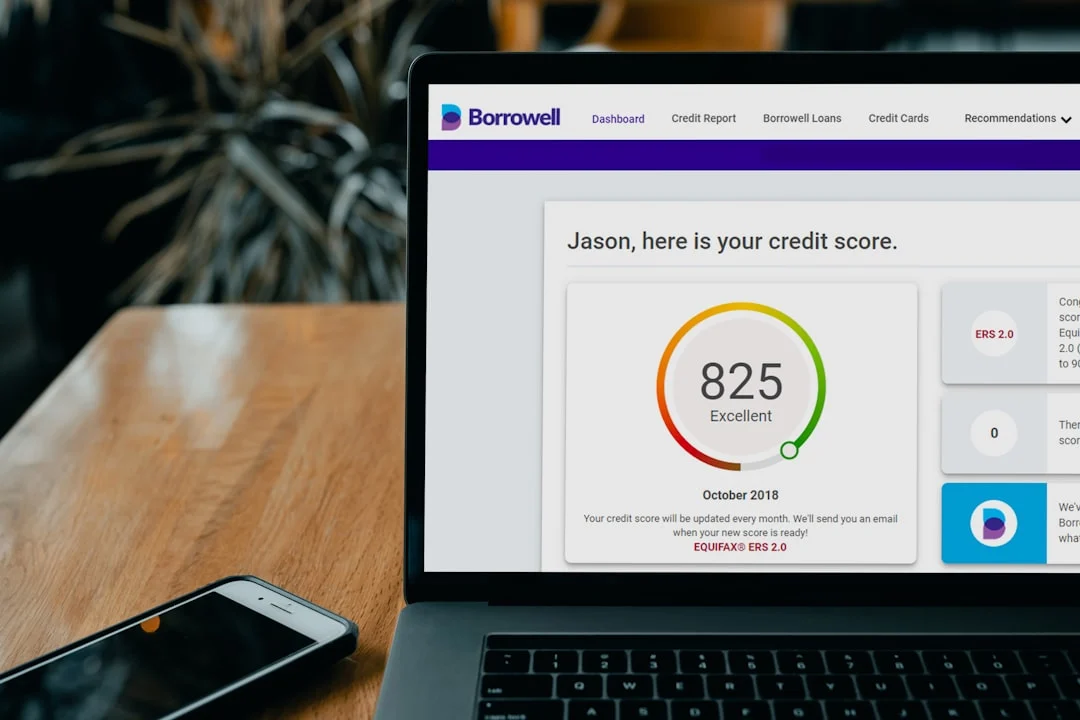
Most lenders look at credit reports from the three major credit bureaus: Equifax, Experian, and TransUnion. Those reports may include your payment history, current balances, available credit, account age, types of accounts, and recent applications for new credit. A credit score turns that history into a number, usually on a scale of 300 to 850 for many common scoring models.
While there are multiple scoring models, many lenders rely on FICO-based versions for major decisions. Your score is not random. It reflects patterns in how you manage debt. If you pay bills late, max out cards, or apply for several new accounts in a short period, your score may drop. If you make on-time payments, keep revolving balances low, and let accounts age, your score may improve.
| FICO factor | Approximate impact | What it means for consumers |
|---|---|---|
| Payment history | 35% | Late payments can hurt quickly; consistent on-time payments help the most. |
| Amounts owed | 30% | High credit card balances relative to limits can drag scores down. |
| Length of credit history | 15% | Older, well-managed accounts can strengthen your profile. |
| Credit mix | 10% | A mix of revolving and installment accounts may help, but only if needed. |
| New credit | 10% | Too many recent applications can signal higher risk. |
Notice what is not on that list: income, age, savings balance, and employment history are generally not direct score factors. Those may matter to a lender during underwriting, but they are different from the score itself. That distinction is important when comparing loan offers. You may have enough income to qualify, but a weak score can still lead to higher rates.
Score ranges and what they may mean for borrowing
Score ranges are not promises, but they are useful benchmarks. Lenders often reserve the best rates for consumers with stronger credit, especially on mortgages, auto loans, and premium credit cards. If your score is lower, approval may still be possible, but you may face tighter limits, larger down payment requirements, or higher annual percentage rates.
| FICO range | Category | Typical borrowing impact |
|---|---|---|
| 300-579 | Poor | More denials, higher rates, fewer options |
| 580-669 | Fair | May qualify, but often at above-average costs |
| 670-739 | Good | Generally solid access to mainstream credit |
| 740-799 | Very Good | Better approval odds and more competitive terms |
| 800-850 | Exceptional | Access to top-tier offers in many cases |
These ranges help explain why timing matters. If you plan to finance a car, refinance debt, or apply for a mortgage within the next several months, small improvements in your score may produce real savings. Paying down card balances before you apply can sometimes make a noticeable difference because revolving utilization is a major score factor.
What helps and hurts your credit profile
The strongest credit habits are simple, but they require consistency. Paying at least the minimum by the due date every month is the foundation. Setting up autopay for the minimum and then making extra payments manually can protect you from accidental late fees while still supporting an aggressive debt payoff plan.
Credit card utilization is another major issue. A common rule of thumb is to keep balances below 30% of each card’s limit, but lower is usually better for scoring. If possible, aim for single-digit utilization when preparing for a major loan application. For example, a $300 balance on a card with a $5,000 limit is far healthier than a $2,000 balance on the same account, even if both are paid on time.
Consumers also benefit from checking credit reports regularly. Under federal law, you can access free reports from the major bureaus through the authorized central source. Review them for accounts you do not recognize, incorrect late payments, outdated balances, or identity theft warning signs. Disputing errors will not erase accurate negative information, but correcting genuine mistakes can help restore a fair picture of your history.
Some common credit mistakes include closing old accounts without a plan, applying for too many store cards for short-term discounts, co-signing loans you cannot comfortably cover, and using balance transfers without a payoff strategy. None of these choices is automatically disastrous, but each can create problems if it increases debt or weakens your available credit.
How to build or rebuild stronger credit over time
If your score needs work, focus on progress rather than perfection. Start by bringing any past-due accounts current. Then make a plan to reduce revolving balances steadily. If you are carrying expensive credit card debt, consider whether a lower-rate personal loan or balance transfer offer fits your situation, but compare fees, repayment terms, and your ability to avoid new card spending.
For people with limited history, a secured credit card or credit-builder loan can be a practical starting point. The goal is not to borrow more than you need. The goal is to create a record of responsible payments. Use a small recurring charge, pay it in full, and keep the account open long enough to establish history.
It is also wise to protect your financial foundation while improving Credit and Credit Scores. Build an emergency fund, even if it starts small. A few hundred dollars in savings can help cover car repairs, copays, or utility bills without forcing you to rely on high-interest credit. That reduces the chance of missed payments and helps keep debt from snowballing.
When shopping for loans, compare offers from banks, credit unions, and reputable online lenders. Prequalification can be helpful because it may show estimated rates without an immediate hard inquiry, depending on the lender. Read the full terms, not just the monthly payment. A longer term may lower the payment but increase total interest.
Above all, treat credit as a financial tool rather than extra income. A strong score supports your broader goals, but it works best alongside budgeting, saving, and informed borrowing. Over time, careful use of credit can make debt less expensive, expand your options, and improve your financial resilience. That is the practical value of understanding Credit and Credit Scores: not just chasing a number, but using that knowledge to keep more money in your pocket and make smarter decisions with every loan, card, and payment.
Guiscard M. is the founder and editor of MoneyLendings.com – a financial education platform focused on helping consumers better understand credit, debt, loans, and personal finance decisions. With over 25 years of experience in finance and insurance, he brings practical knowledge of lending, credit, debt management, and personal finance to create useful tools, calculators, and educational resources that simplify complex financial topics.
Combining this experience with expertise in web development and digital content creation, Guiscard focuses on making financial information easier to understand and more accessible.