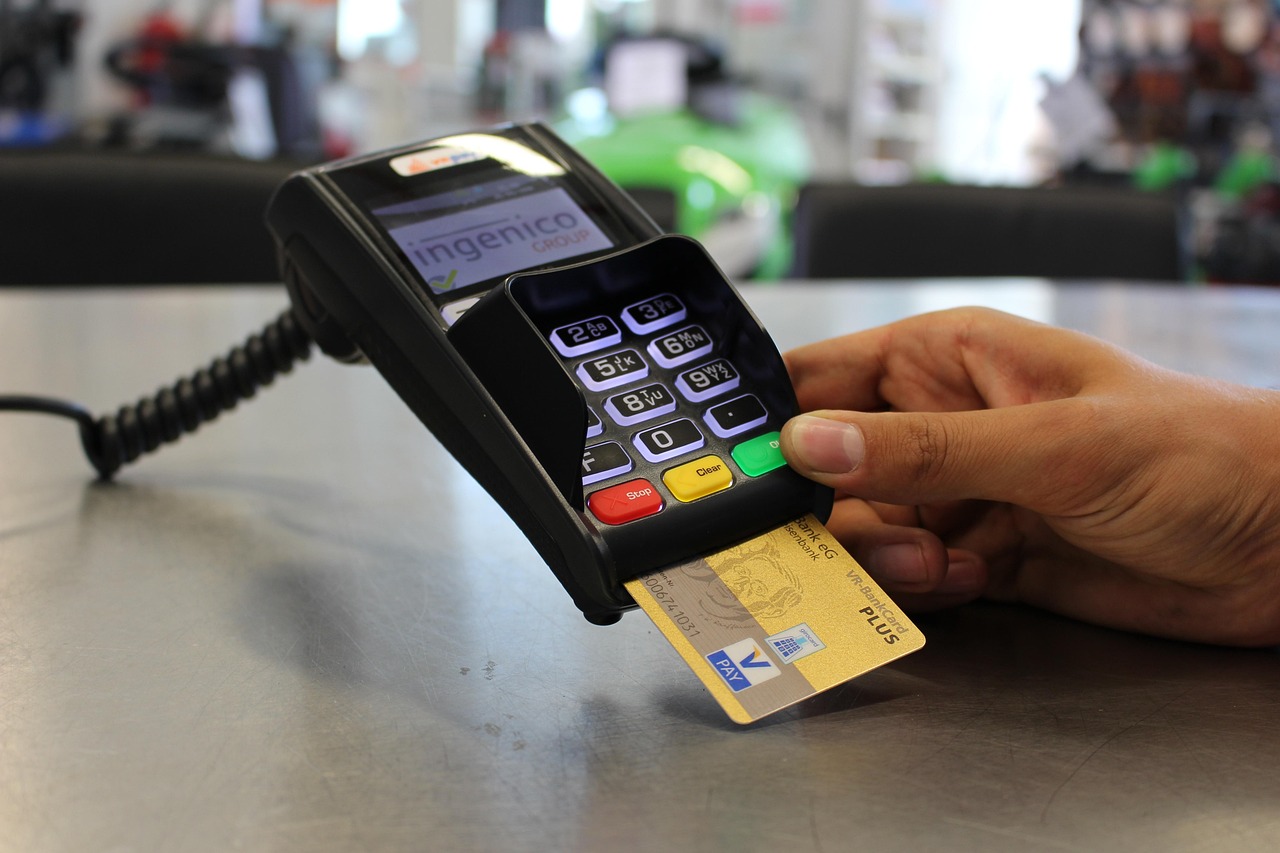
Credit cards can be useful financial tools when they are understood and managed carefully. They offer convenience, fraud protections, and a way to build credit history, but they can also become expensive if balances are carried for too long or payments are missed. For many households, the difference between a helpful account and a growing debt problem comes down to knowing how charges, interest, and payment choices affect both monthly cash flow and long-term financial goals.
A responsible approach starts with understanding the basic mechanics of a credit card, then using that knowledge to make practical decisions about spending, repayment, and account management. The sections below explain the most important parts of credit card use in clear terms, with examples that show how small choices can create either flexibility or financial strain.
How credit cards work
A credit card gives you access to a revolving line of credit. When you make a purchase, the card issuer pays the merchant and adds the charge to your account balance. You then repay the issuer, either in full by the due date or over time.
Each billing cycle, the card issuer sends a statement showing:
- the statement balance, or what you owed at the end of the billing period
- the minimum payment due
- the payment due date
- any interest charged
- fees, if any
- your available credit
If you pay the full statement balance by the due date, many cards allow you to avoid interest on purchases during the grace period. If you carry a balance, interest may begin accruing on the unpaid portion, and in some cases on new purchases as well.
Credit cards are different from debit cards because they do not pull money directly from your checking account at the time of purchase. That can be helpful for flexibility and protections, but it also makes it easier to spend money that has not yet been set aside in your budget.
Understanding APR and interest costs
The annual percentage rate, or APR, is the yearly cost of borrowing on a credit card, expressed as a percentage. Many cards have different APRs for purchases, balance transfers, and cash advances. The purchase APR is the one most consumers encounter most often.
Although APR is stated annually, card issuers typically apply interest on a daily basis. That means the longer a balance remains unpaid, the more it costs. A higher APR makes carrying debt even more expensive.
| Balance Carried | APR | Approximate Monthly Interest | Estimated Cost if Balance Stays for 12 Months* |
|---|---|---|---|
| $1,000 | 18% | About $15 | About $180 |
| $1,000 | 24% | About $20 | About $240 |
| $3,000 | 18% | About $45 | About $540 |
| $3,000 | 24% | About $60 | About $720 |
*These figures are simplified estimates and do not account for changing balances, compounding details, or additional purchases.
For example, if a household carries a $3,000 balance at 24% APR, interest alone can take around $60 per month out of the budget. That money could otherwise go toward groceries, emergency savings, or debt reduction elsewhere.
It is also important to understand that cash advances often come with both a fee and immediate interest charges, usually at a higher APR. For most consumers, using a credit card for a cash advance should be avoided unless there is no better short-term option.
Why the minimum payment can be misleading
The minimum payment keeps the account in good standing if paid on time, but it is rarely an efficient repayment strategy. Minimum payments are often calculated as a small percentage of the balance, plus interest and fees. Because the required amount can be relatively low, it may create the false impression that the debt is manageable even when repayment would take years.
| Starting Balance | APR | Monthly Payment | Approximate Time to Repay | Total Interest Paid |
|---|---|---|---|---|
| $2,000 | 20% | Minimum payment only | Many years | Substantial |
| $2,000 | 20% | $75 | Much faster | Far less |
| $2,000 | 20% | $150 | Significantly faster | Much lower |
Suppose a consumer charges $2,000 for car repairs and then pays only the minimum each month. The monthly obligation may look manageable at first, but a large share of each payment can go toward interest rather than principal. By increasing the payment beyond the minimum, the balance falls faster and total borrowing costs drop sharply.
The minimum payment should be viewed as the floor, not the goal.
Credit utilization and why it matters
Credit utilization measures how much of your available revolving credit you are using. It is usually expressed as a percentage:
Credit utilization = total card balances divided by total credit limits
If you have a total credit limit of $10,000 and your balances add up to $3,000, your utilization is 30%.
Utilization matters because it can affect credit scores. Lower utilization generally signals that a borrower is not overly dependent on revolving debt. High utilization can suggest financial pressure, even if payments are made on time.
| Total Credit Limit | Total Balance | Utilization Rate | General Effect |
|---|---|---|---|
| $5,000 | $500 | 10% | Usually favorable |
| $5,000 | $1,500 | 30% | Often acceptable but worth monitoring |
| $5,000 | $4,000 | 80% | Can hurt credit standing |
Consumers often hear that staying below 30% is a good rule of thumb, but lower can be better, especially for people preparing to apply for a mortgage, auto loan, or other major financing. Utilization is not only about debt size. It is also about timing. A person who pays in full every month can still show high utilization if a large balance appears on the statement before payment is made.
Practical ways to manage utilization include:
- making an extra payment before the statement closing date
- spreading spending across multiple cards when appropriate
- keeping old accounts open if they do not carry fees and still fit your financial plan
- avoiding large charges unless you already have cash set aside to pay them off quickly
How credit card decisions affect a monthly budget
Responsible card use works best when every charge fits into a spending plan. A card should not replace a budget. It should operate within one.
Consider a household with $4,200 in monthly take-home pay and the following fixed and variable expenses:
| Category | Monthly Amount |
|---|---|
| Rent | $1,400 |
| Utilities | $250 |
| Groceries | $600 |
| Transportation | $350 |
| Insurance | $300 |
| Savings | $400 |
| Other essentials and personal spending | $650 |
| Total | $3,950 |
That leaves $250 of monthly breathing room. If this household adds $1,200 in discretionary card spending and cannot pay it in full, the budget tightens quickly. Even a modest required payment reduces flexibility the next month. If new charges continue while old balances remain, the card balance can become part of the monthly fixed-cost structure, limiting room for savings and unexpected expenses.
In contrast, if the same household uses the card only for planned purchases already covered by cash flow, then pays the statement balance in full, the card can provide convenience and rewards without undermining the budget.
Managing balances before they become long-term debt
Carrying a balance for a short period is not always a sign of poor money management. Unexpected medical bills, emergency travel, or urgent home repairs can create temporary strain. The key is to respond quickly and deliberately before the balance grows.
If you already have credit card debt, start with a clear plan:
- stop adding nonessential new charges
- list every card balance, APR, and minimum payment
- identify how much extra you can realistically pay each month
- choose a repayment method and stay consistent
Two common repayment strategies are:
| Strategy | How It Works | Best For |
|---|---|---|
| Avalanche method | Pay extra toward the card with the highest APR while making minimum payments on others | Reducing total interest cost |
| Snowball method | Pay extra toward the smallest balance first while making minimum payments on others | Building momentum through quick wins |
For example, someone with three card balances may save more money using the avalanche method, but another person may stay more motivated by eliminating the smallest balance first. The best strategy is the one that is both financially sound and sustainable.
Avoiding unnecessary debt
One of the most effective ways to use credit responsibly is to prevent avoidable balances from forming in the first place. That requires more than good intentions. It usually depends on systems and habits.
Helpful practices include:
- charging only what you could pay with cash already in your account
- setting spending alerts through your card issuer
- reviewing transactions weekly instead of waiting for the monthly statement
- keeping a separate emergency fund so unexpected costs do not automatically go on a card
- distinguishing between convenience spending and borrowing
Impulse purchases are a common source of revolving debt. A $75 online purchase may feel small in the moment, but several similar charges over a month can add up to a balance that takes months to eliminate. Consumers who pause before nonessential purchases often avoid debt not by earning more, but by interrupting the habit of automatic spending.
Choosing a responsible payment strategy
The most responsible payment strategy depends on your cash flow, existing debt, and financial goals, but several approaches are consistently effective.
- Best option: Pay the full statement balance every month. This usually avoids interest on purchases and keeps debt from accumulating.
- Good fallback: Pay more than the minimum and target a payoff date. This limits interest damage and keeps the balance moving downward.
- If income is irregular: Make smaller payments throughout the month when cash is available, then review the balance again before the due date.
- If balances are already large: Temporarily reduce card use and direct extra funds toward repayment until utilization and interest costs come down.
Automatic payments can be useful, especially for avoiding late fees and credit damage. Some consumers set autopay for the minimum payment as a safety net, then make additional manual payments during the month. Others automate the full statement balance if their checking account cash flow is stable enough to support it.
Whichever system you choose, it should protect two priorities at the same time: paying on time and avoiding more borrowing than your income can support.
Fees, rewards, and other features to review carefully
Interest is only one part of the total cost of a card. Responsible use also means reviewing fees and features before an account is opened or used heavily.
Common items to check include:
- annual fee
- late payment fee
- balance transfer fee
- cash advance fee
- foreign transaction fee
- penalty APR or default terms
Rewards can be valuable, but only when they do not lead to extra spending or interest charges. Earning 1% to 3% back on purchases is generally not worth it if the balance is carried month to month at a double-digit APR. In many cases, the smartest rewards strategy is simple: use the card for routine budgeted expenses, redeem rewards regularly, and never spend more just to earn points or cash back.
Signs a credit card may be hurting your finances
Credit cards become riskier when borrowing starts covering gaps that income and savings should handle. Warning signs include:
- paying only the minimum for several months in a row
- using one card to free up cash to pay another
- feeling unsure about your current total balance
- reaching or nearing your credit limit regularly
- relying on cards for everyday essentials because checking account funds run short
- missing due dates or paying late fees more than once
If any of these patterns are appearing, the issue is not just the card itself. It may point to a broader budgeting challenge, an emergency savings gap, or debt levels that need a structured payoff plan.
When credit card use can support long-term goals
Used carefully, a credit card can support broader financial goals. On-time payments can help build a strong credit history, which may improve access to lower-cost borrowing later. Keeping balances low can also strengthen a credit profile before applying for a mortgage or car loan.
For example, a borrower planning to buy a home within the next year may choose to pay down card balances aggressively to lower utilization and improve debt ratios. Another consumer may use a card for recurring household bills, pay it in full each month, and build a positive payment record without taking on lasting debt.
In both cases, the card is serving a larger financial purpose rather than becoming a source of friction and expense.
Key takeaways for everyday use
Credit cards work best when they are treated as a payment tool, not as extra income. Understanding APR, minimum payments, and credit utilization can help you avoid expensive mistakes. Paying in full whenever possible is the strongest strategy, but if you do carry a balance, paying more than the minimum and following a specific payoff plan can reduce both interest costs and financial stress.
The most practical way to apply these lessons is to connect every card decision to your budget. Before using a card, ask whether the purchase is planned, whether the payment fits next month’s cash flow, and whether carrying the balance would interfere with savings or other goals. Consumers who track spending, pay on time, keep balances low, and respond early to rising debt are generally in the best position to benefit from credit cards without letting borrowing costs take control of their finances.
Recommended Partner Guides
Guiscard M. is the founder and editor of MoneyLendings.com – a financial education platform focused on helping consumers better understand credit, debt, loans, and personal finance decisions. With over 25 years of experience in finance and insurance, he brings practical knowledge of lending, credit, debt management, and personal finance to create useful tools, calculators, and educational resources that simplify complex financial topics.
Combining this experience with expertise in web development and digital content creation, Guiscard focuses on making financial information easier to understand and more accessible.