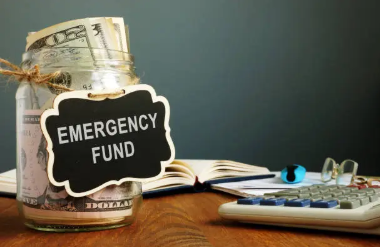
Money decisions usually feel stressful when they are made in the dark. The goal of a workable budget is not to restrict every purchase, but to show where your income is going, what your priorities are, and how much room you have to improve. For most households, Budgeting & Saving works best when it is simple enough to follow during busy months, flexible enough for real life, and specific enough to move money toward goals like an emergency fund, debt payoff, or a future purchase.
If you have tried to budget before and quit after a few weeks, the problem may not have been discipline. It may have been the system. A strong plan starts with take-home pay, accounts for irregular bills, and creates automatic habits so you do not have to rely on motivation alone. This article provides general educational information, not individualized financial, tax, or legal advice.
Start with your real monthly cash flow
The most useful budget begins with net income, not gross pay. Use the amount that actually lands in your checking account after taxes, health insurance, retirement contributions, and other payroll deductions. If your income is steady, review the last one to three months of deposits. If your income changes because of hourly work, commissions, tips, or freelance income, use a conservative average based on the last six to twelve months and build your plan around the lower end of that range.
Next, review the last 60 to 90 days of spending from your bank and credit card statements. Separate expenses into three groups: fixed bills, variable essentials, and discretionary spending. Fixed bills include rent or mortgage payments, insurance premiums, car payments, subscriptions, and minimum debt payments. Variable essentials include groceries, gas, utilities, and medical copays. Discretionary spending includes dining out, streaming add-ons, impulse purchases, hobbies, and entertainment.
Many people underestimate nonmonthly costs such as car repairs, annual memberships, school expenses, gifts, and holiday travel. These are not surprises if they happen every year. Treat them as planned costs by setting aside a little each month in a sinking fund.
| Category | Starter target | Example on $4,000 take-home pay | What it may include |
|---|---|---|---|
| Needs | Up to 50% | $2,000 | Housing, utilities, groceries, transportation, insurance, minimum debt payments |
| Wants | Around 30% | $1,200 | Dining out, entertainment, travel, hobbies, nonessential shopping |
| Savings and extra debt payoff | At least 20% | $800 | Emergency fund, sinking funds, retirement savings, extra payments above minimums |
| Total | 100% | $4,000 | Adjust based on your actual costs and goals |
The percentages above are a starting framework, not a rule. In many U.S. markets, housing, childcare, and insurance take a larger share of income. If your needs category is already high, focus first on avoiding overdrafts, covering essential bills, and building a small cash buffer. Progress matters more than matching a perfect formula.
Build a budget that can survive real life
A budget fails when it ignores how people actually spend. Leave room for groceries to fluctuate, birthdays to happen, and a higher utility bill during hot or cold months. You can use a 50/30/20 style budget, a zero-based budget, or a simple spending plan. The best choice is the one you will review and adjust every month.
One practical method is to give every dollar a job after covering essential bills. If you are paid twice a month, assign upcoming paychecks to rent, utilities, groceries, transportation, savings transfers, and debt payments before spending on extras. If your income is irregular, pay essentials first, keep a one-month bill calendar, and use a separate buffer account if possible.
Sample monthly allocation chart: A common starting point is the 50/30/20 framework.
Use these percentages as guidelines. If your fixed bills are higher, reduce lower-priority spending and increase savings gradually as income grows or expenses fall.
Automation is what turns a budget into action. Schedule recurring transfers on payday: one amount to savings, one to sinking funds, and one to debt beyond minimums if that fits your situation. If you wait to save whatever is left at the end of the month, there often will not be much left.
Important: General guidance can help you organize your money, but account choices, debt strategies, and retirement decisions may depend on your income stability, tax situation, benefits, and family needs.
Create a savings system that happens automatically
Your first savings goal is usually a starter emergency fund. For some households, that may be $500; for others, $1,000 or one full paycheck is a more realistic first milestone. After that, aim to build three to six months of essential expenses over time. Essential expenses usually include housing, food, utilities, transportation, insurance, and minimum debt payments.
A high-yield savings account can be a strong home for emergency cash because it keeps money liquid while paying more interest than many traditional savings accounts. Annual percentage yields change frequently, so compare APY, monthly fees, minimum balance rules, and transfer speed. If your account is at a bank insured by the FDIC, standard deposit insurance generally covers up to $250,000 per depositor, per insured bank, per ownership category. Credit unions typically offer similar protection through the NCUA.
A good Budgeting & Saving system also uses separate buckets for predictable expenses. Common sinking funds include car maintenance, holiday gifts, annual insurance deductibles, back-to-school costs, pet care, and travel. Even setting aside $25 or $50 a month for these categories can reduce reliance on credit cards when bills arrive.
If you already have revolving credit card debt, balance is important. Many people benefit from building a small emergency cushion first and then directing more cash toward high-interest debt. If your employer offers a retirement match, contributing enough to receive the full match may also deserve priority, since that is part of your compensation. The right sequence depends on your cash flow and risk tolerance.
Cut costs without making your budget miserable
Effective cost cutting usually comes from a handful of meaningful changes, not extreme deprivation. Start with recurring bills because one phone call or account change can lower spending every month. Review cell phone plans, internet service, insurance premiums, streaming services, gym memberships, and app subscriptions. Ask what you used in the past 90 days and what can be paused, downgraded, or canceled.
Housing and transportation are often the biggest pressure points in a budget. If you are choosing a new apartment, car, or commute setup, even a modest monthly difference can free up hundreds of dollars over a year. Existing costs are harder to change immediately, which is why grocery planning, meal prep, generic brands, and fewer convenience purchases matter so much in the short term. These habits will not solve every budget problem, but they can improve breathing room quickly.
Be careful with
Guiscard M. is the founder and editor of MoneyLendings.com – a financial education platform focused on helping consumers better understand credit, debt, loans, and personal finance decisions. With over 25 years of experience in finance and insurance, he brings practical knowledge of lending, credit, debt management, and personal finance to create useful tools, calculators, and educational resources that simplify complex financial topics.
Combining this experience with expertise in web development and digital content creation, Guiscard focuses on making financial information easier to understand and more accessible.