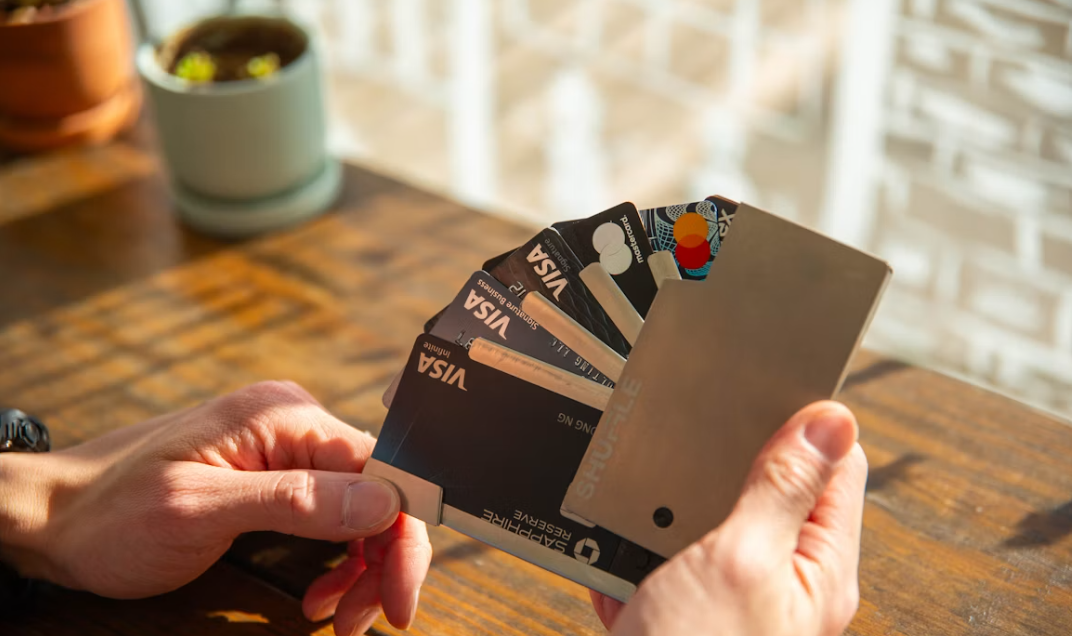
When you need to borrow money, two of the most common options are a personal loan and a credit card. While both can help cover expenses, they work in very different ways and are best suited for different financial situations. Choosing the wrong option could cost you more in interest or leave you with debt that’s harder to manage. Understanding how each works can help you make a more informed decision.
In this guide, we’ll compare personal loans and credit cards, explain the advantages and disadvantages of each, and discuss situations where one option may be more appropriate than the other.
Quick Comparison
| Feature | Personal Loan | Credit Card |
|---|---|---|
| Borrowing Style | Lump-sum loan | Revolving credit |
| Monthly Payment | Fixed | Variable (minimum payment required) |
| Interest Rate | Usually fixed | Often variable |
| Repayment Period | Fixed term | No fixed payoff date unless you pay in full |
| Best For | Large planned expenses | Everyday purchases and short-term borrowing |
| Credit Limit | Fixed loan amount | Reusable credit line |
What Is a Personal Loan?
A personal loan provides a one-time lump sum that you repay through fixed monthly payments over a predetermined period.
Loan proceeds are commonly used for:
- Debt consolidation
- Home improvements
- Medical expenses
- Emergency repairs
- Major purchases
- Wedding expenses
- Moving costs
Once the loan is fully repaid, the account closes.
👉 Complete Guide to Personal Loans
What Is a Credit Card?
A credit card provides a revolving line of credit. Unlike a personal loan, you can continue borrowing up to your available credit limit as long as the account remains in good standing.
Credit cards are commonly used for:
- Everyday purchases
- Travel
- Emergencies
- Online shopping
- Building credit
- Rewards programs
Unlike installment loans, credit card balances can remain outstanding indefinitely if only minimum payments are made.
When a Personal Loan May Make More Sense
A personal loan may be worth considering if you:
- Need to borrow a larger amount.
- Prefer predictable monthly payments.
- Want a fixed payoff date.
- Are consolidating multiple debts.
- Need funding for a major planned expense.
Because payments are fixed, budgeting is often easier.
When a Credit Card May Make More Sense
A credit card may be appropriate if you:
- Need flexibility.
- Plan to pay the balance in full each month.
- Want rewards or cash back.
- Need a credit line for recurring purchases.
- Want ongoing access to available credit.
Responsible credit card use can also help build a positive payment history.
Interest Rates
One of the biggest differences is how interest is calculated.
Personal Loans
Many personal loans have fixed interest rates, meaning your monthly payment remains the same throughout the repayment period.
Credit Cards
Many credit cards have variable interest rates that can change over time. If you carry a balance from month to month, interest charges may increase the total cost of borrowing.
Monthly Payments
Personal loans require fixed monthly payments. Credit cards generally require only a minimum payment. While paying only the minimum can reduce your monthly obligation, it often extends the repayment period and increases the total interest paid.
👉 Credit Card Payoff Calculator
Which Option Is Better for Debt Consolidation?
Many consumers use personal loans to consolidate higher-interest credit card balances into one monthly payment.
Potential advantages include:
- One payment instead of several.
- Fixed repayment schedule.
- Predictable monthly payments.
- Clear payoff date.
However, a personal loan is not the only option. In some cases, a balance transfer credit card may also be worth considering, depending on the promotional terms and your ability to repay the balance before any introductory period ends.
Credit Score Impact
Both personal loans and credit cards can affect your credit score. Positive factors include:
- On-time payments
- Responsible borrowing
- Maintaining low credit utilization
Negative factors may include:
- Late payments
- High balances
- Missed payments
- Applying for multiple accounts within a short period
👉 What Credit Score Do You Need for a Personal Loan?
Pros and Cons
Personal Loan
Pros
- Fixed monthly payments
- Predictable payoff schedule
- Often suitable for larger expenses
- May simplify debt consolidation
- Usually no ongoing borrowing after funding
Cons
- Approval required
- May include origination fees
- Fixed borrowing amount
- Monthly payment obligation regardless of future borrowing needs
Credit Card
Pros
- Flexible access to credit
- Rewards programs
- Useful for emergencies
- Can help build credit with responsible use
- No need to reapply for each purchase
Cons
- Variable interest rates on many cards
- Easy to accumulate long-term debt
- Minimum payments can extend repayment significantly
- High balances may affect your credit utilization
Which Option Costs Less?
The answer depends on several factors, including:
- Interest rate
- Loan amount
- Credit card balance
- Repayment period
- Fees
- Payment habits
The best way to compare costs is by calculating your monthly payment and the total interest over time.
Final Thoughts
There isn’t a one-size-fits-all answer to whether a personal loan or a credit card is the better choice. A personal loan may be more appropriate for larger planned expenses or consolidating debt into predictable monthly payments, while a credit card may offer greater flexibility for everyday purchases and short-term borrowing.
Before making a decision, compare the total cost of borrowing, repayment terms, and your ability to comfortably repay the debt. Choosing the option that aligns with your financial goals and budget can help you borrow more responsibly.