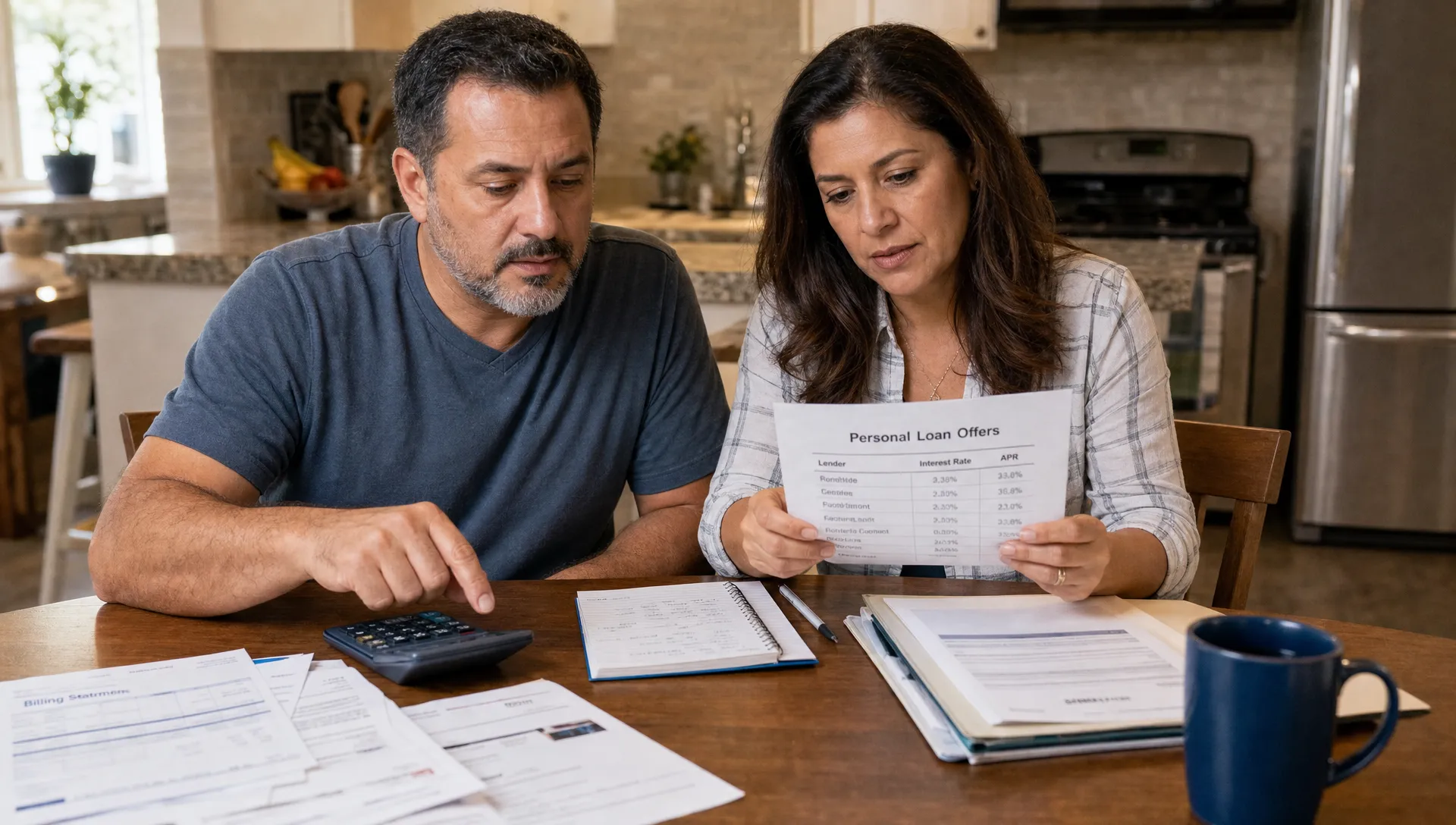
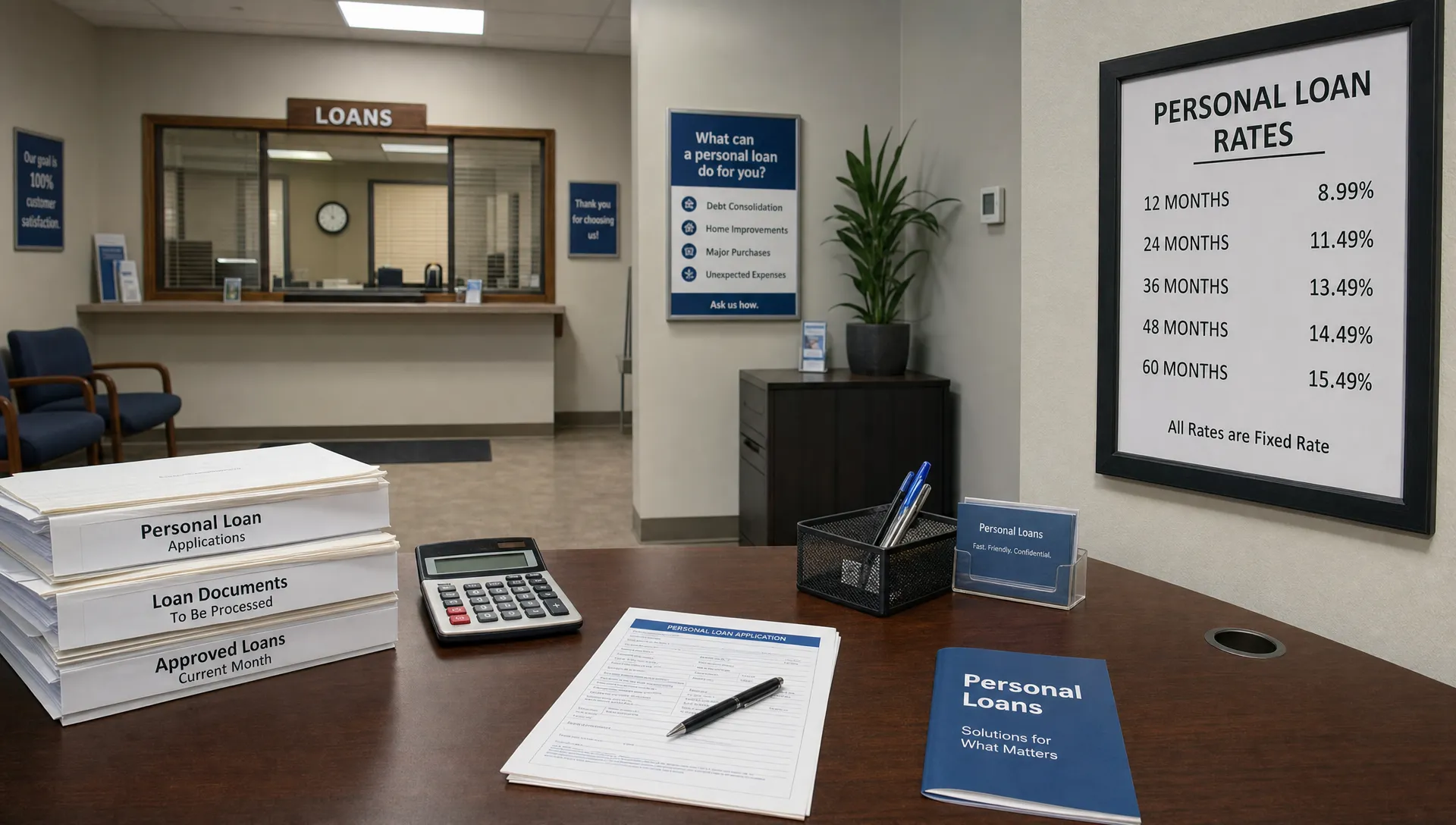
If your credit score is low, getting approved for a loan can feel frustrating, but bad credit does not automatically close every door. Many lenders evaluate more than a three-digit score, and some are willing to work with borrowers who have past late payments, high card balances, or thin credit histories. The key is understanding how personal loans for bad credit work, what they truly cost, and whether the payment fits your monthly budget before you apply.
In the personal loans market, the biggest difference between a manageable loan and an expensive mistake usually comes down to comparison shopping. A lender may advertise fast funding, but the real cost shows up in the annual percentage rate, origination fee, payment amount, and total repayment over time. For U.S. consumers, it is also important to check whether the lender is licensed in your state and whether the offer is an installment loan rather than a payday-style product that can trap borrowers in repeat debt.
How these loans work in the real world
A personal loan is usually an installment loan with a fixed amount, fixed payment schedule, and set payoff date. You receive the funds up front and repay them over a term that often ranges from about two to seven years. Most personal loans are unsecured, which means you do not pledge a car or savings account as collateral. Because the lender takes more risk on an unsecured loan, borrowers with weaker credit profiles generally see higher APRs than borrowers with strong credit.
For borrowers considering personal loans for bad credit, approval often depends on a mix of factors: income, employment stability, debt-to-income ratio, recent payment history, and bank account activity. A lower score may still be acceptable if your income is steady and your current debt load is reasonable. Some lenders also allow a co-signer or offer a secured personal loan option, both of which can improve the chance of approval and sometimes lower the rate.
These loans are commonly used for debt consolidation, emergency expenses, medical bills, car repairs, moving costs, and other large purchases that are hard to cover with cash. Debt consolidation can make sense when the new loan has a lower total cost than your credit cards and gives you a clear payoff date. It works best when you stop adding new balances after consolidation; otherwise, you risk ending up with both loan debt and renewed card debt at the same time.
Fair: 580-669
Good: 670-739
Very Good: 740-799
Exceptional: 800-850
Lower score bands usually mean fewer lender choices and higher borrowing costs, but lenders still review income, recent delinquencies, and overall debt load.
What lenders review beyond your credit score
Credit scores matter, but lenders do not underwrite in a vacuum. They want evidence that you can handle the payment every month. Your debt-to-income ratio, or DTI, is a major factor. If too much of your gross monthly income already goes toward credit cards, auto loans, student loans, or housing, a lender may deny the application even if your score is improving. On the other hand, someone with a lower score but modest debts and stable employment may qualify.
Lenders also tend to look closely at recent credit behavior. A score damaged by older problems is different from a score weighed down by fresh missed payments, collections, or a recent charge-off. Bankruptcies, repossessions, and active delinquent accounts can also affect the terms you receive. If your credit file has errors, dispute them before applying. A corrected late payment or removed duplicate collection can improve your profile more than many borrowers expect.
Income verification is another common step. Be prepared to provide pay stubs, tax returns, W-2s, bank statements, or proof of benefits. Self-employed borrowers may need extra documentation. Some lenders will prequalify you with a soft credit check, which lets you preview possible rates and payments without hurting your score. Prequalification is not a guarantee, but it is one of the safest ways to shop.
Comparing personal loan options
The best lender for you depends on your credit, income, loan amount, and how quickly you need funds. Credit unions, banks, and online lenders all serve different types of borrowers. If you are comparing personal loans for bad credit, focus on lenders that clearly disclose APRs, fees, and repayment terms before you commit. Fast approval is helpful, but transparency matters more.
| Loan source | Best for | Potential advantages | Watch-outs |
|---|---|---|---|
| Credit union | Members seeking smaller loans and lower fees | Relationship-based underwriting, competitive rates, financial counseling may be available | Membership requirements, loan amounts may be smaller, approval may take longer |
| Online lender | Borrowers who want quick prequalification and fast funding | Easy comparison shopping, soft-pull rate checks, broad credit flexibility | Rates and origination fees can be high, especially for weaker credit |
| Bank | Existing customers with direct deposit or established accounts | Potential relationship discounts, branch support, familiar servicing | May have stricter credit standards and fewer options for subprime borrowers |
| Secured personal loan | Borrowers with collateral or savings available | Higher approval odds and possibly lower APR | You could lose the pledged asset or savings if you default |
| Co-signed loan | Borrowers with a trusted co-signer who has stronger credit | May improve approval chances and lower the rate | Missed payments affect both people and can strain relationships |
When comparing offers, always look at the monthly payment and the total amount repaid, not just the loan amount. A smaller monthly payment can still be expensive if the term is long and the APR is high. Read the disclosure for origination fees, late fees, returned payment fees, and whether the lender sends funds directly to your creditors if you are consolidating debt.
Costs, red flags, and safer alternatives
Bad-credit borrowing often comes with a higher price tag, so you need to know which costs are normal and which are warning signs. An origination fee is common with some personal loans and is usually deducted from the amount funded. That means if you borrow $5,000 and the lender charges a fee, you may receive less than the full loan amount but still repay based on the original principal. This can make an offer far more expensive than it first appears.
APR is the most useful single number for comparison because it combines the interest rate and certain fees. If two lenders offer the same payment but one charges a higher origination fee, the APR helps reveal that difference. State laws vary, and some lenders may charge very high APRs to borrowers with damaged credit. If the payment stretches your budget or the APR looks extreme, pause before signing.
Be cautious if a lender promises guaranteed approval, asks for upfront fees before funding, pressures you to borrow more than you requested, avoids disclosing the APR, or does not clearly show a physical address and state licensing information. These are common warning signs of predatory lending.
If a personal loan is too expensive, consider alternatives that may protect your finances better. A nonprofit credit counseling agency may help you review a debt management plan. A credit union may offer a smaller-dollar loan with more reasonable terms. Some medical providers, utilities, and repair shops offer payment plans. If the issue is temporary, asking existing creditors for hardship relief may be cheaper than taking on new debt. For credit card debt, a balance transfer can help in limited cases, but only if you can qualify and pay it down before promotional terms expire.
How to improve approval odds and lower your rate
Start by checking your credit reports from all three major bureaus and fixing any errors. Then calculate how much you truly need to borrow. Smaller loans are often easier to manage and may look less risky to lenders. If possible, pay down revolving balances before applying, because lower credit utilization can strengthen your application even if your score is still below average.
Next, gather documents in advance: identification, proof of address, income records, employer details, and recent bank statements. Use prequalification tools to compare several lenders within a short window, and keep notes on APR, term length, fees, funding time, and monthly payment. If you have a trusted co-signer or savings to secure the loan, those options may widen your choices, but weigh the risks carefully before moving forward.
Most important, test the new payment against your budget. A loan should solve a financial problem, not create another one. Make sure the payment fits after housing, food, utilities, insurance, transportation, and minimum debt obligations are covered. If it does not, look for a smaller amount, a lower-cost lender, or an alternative strategy. The best personal loans for bad credit are the ones that help you bridge a gap, reduce costly debt, and leave room to keep saving once the emergency passes.
Guiscard M. is the founder and editor of MoneyLendings.com – a financial education platform focused on helping consumers better understand credit, debt, loans, and personal finance decisions. With over 25 years of experience in finance and insurance, he brings practical knowledge of lending, credit, debt management, and personal finance to create useful tools, calculators, and educational resources that simplify complex financial topics.
Combining this experience with expertise in web development and digital content creation, Guiscard focuses on making financial information easier to understand and more accessible.